Compare six transformer categories and learn which nameplate, condition, documentation, and access details support a useful case-by-case buyer review.
Start with the configuration—not only the kVA.
A transformer’s voltage relationship, phase, winding connection, impedance, taps, cooling, completeness, condition, documentation, and pickup setting can all change its potential reuse path. These guides explain what to identify before a case-by-case review.
Equipment type
Pad-Mounted Transformer Buyers
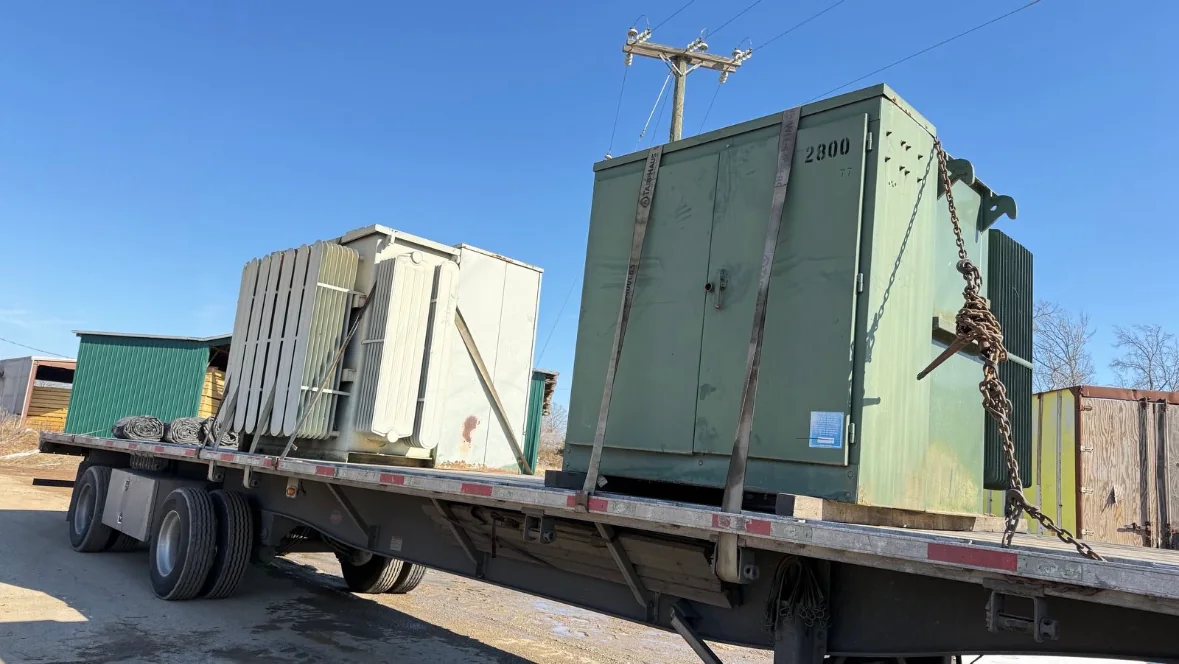
We review three-phase and single-phase pad-mounted transformers from utilities, contractors, facilities, dealers, and decommissioning projects. Working, untested, failed, and new-surplus units may be considered case by case.
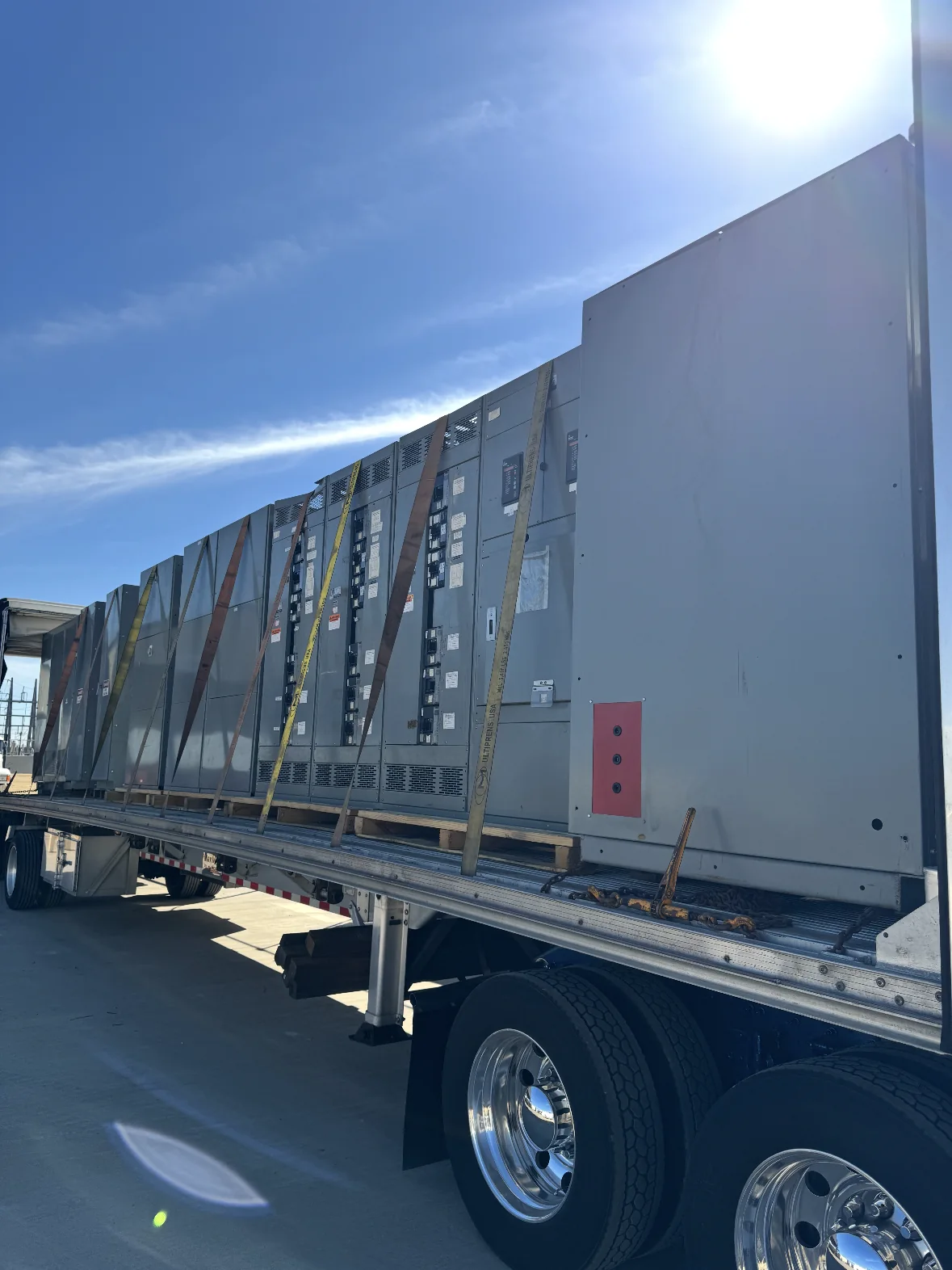
We evaluate low- and medium-voltage dry-type transformers, including general-purpose, cast-coil, isolation, drive-duty, and unit-substation applications. Photos and complete nameplate data help us determine remarketing potential.
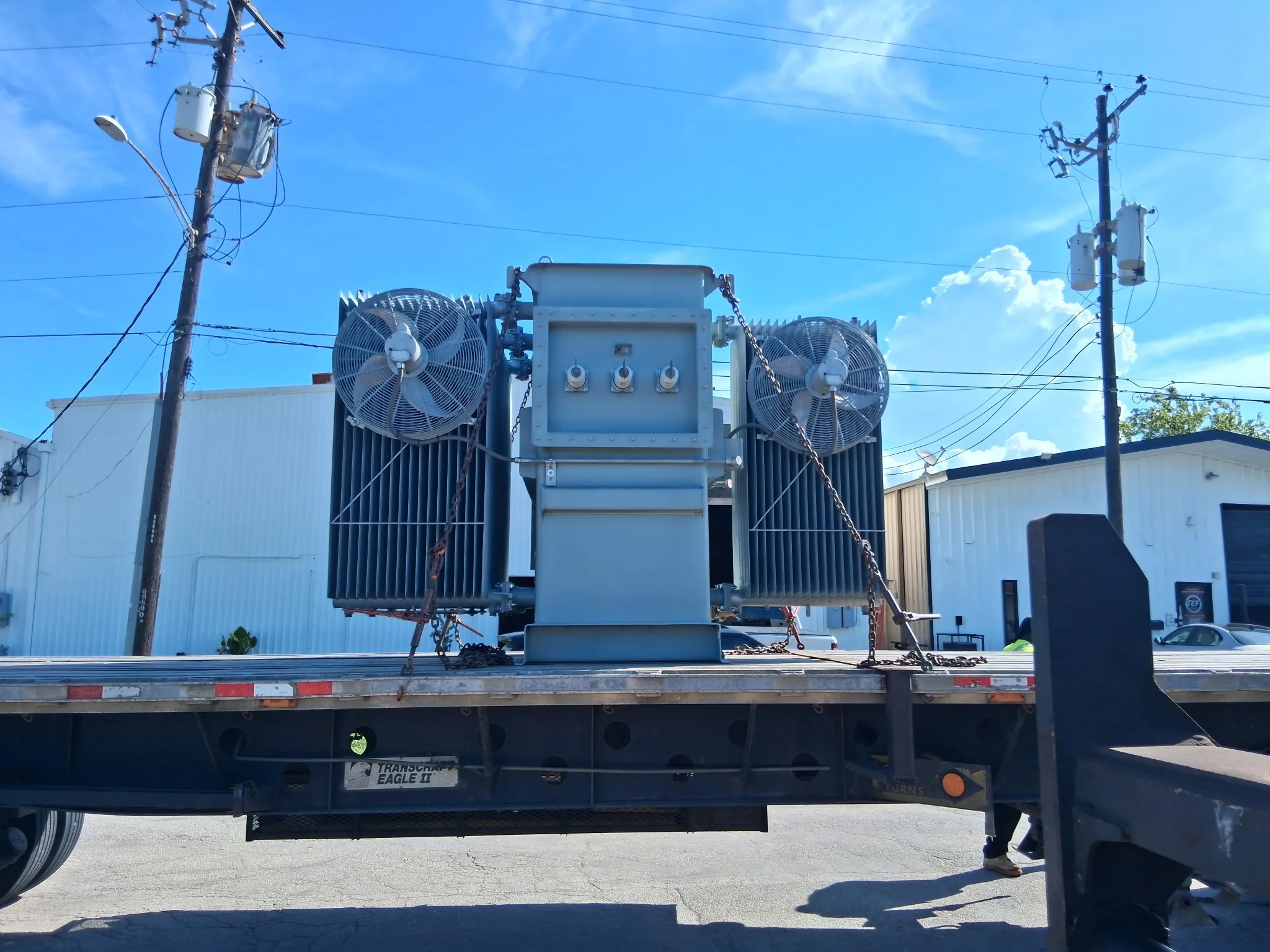
Large substation and power transformers require an equipment-specific review. We consider specifications, condition, oil information, access, loading requirements, and transportation constraints before making an offer or pickup plan.
We review palletized quantities and project lots of pole-mounted distribution transformers. Quantity, kVA mix, voltage, condition, PCB status where applicable, and loading access are important to the review.
We evaluate oil-filled distribution, pad-mounted, and substation transformers with careful attention to condition, fluid status, documentation, and transport requirements. Never drain or dismantle equipment before review.
Three-phase transformers can retain value across many commercial and industrial applications. We review dry-type, pad-mounted, unit-substation, and power units using nameplate specifications, age, condition, and current demand.
What every transformer submission should establish
A useful submission identifies the exact asset, what electrical system it was designed for, what remains with it, why it became surplus, what its present condition is, and how it can be accessed. A photograph of a cabinet or tank without a readable nameplate rarely answers those questions.
Electrical identity
Manufacturer, model, serial number, phase, kVA or MVA, frequency, primary and secondary voltage, winding connection, taps, impedance, cooling, and insulation information where shown.
Current condition
Known faults, damage, leakage, corrosion, missing parts, repairs, storage history, last service status, and existing test or maintenance records—without unsupported claims.
Ownership and records
Authority to sell, reason for removal, equipment-specific documents, fluid or PCB information where applicable, and a clear list of accessories included or retained.
Removal setting
Exact location, dimensions and documented weight, indoor or outdoor position, access route, loading area, site rules, timing, and the qualified parties responsible for electrical and lifting work.
A review is not a blanket purchase promise
We review equipment nationwide, but every decision depends on the transformer and the site. The guides below do not promise purchase, price, testing, environmental classification, freight, or removal. They help sellers provide the facts needed to determine whether a next step is reasonable.
Do not alter equipment for a quote
Do not open energized equipment, drain liquid, cut conductors, remove bushings, operate taps, sample fluid, or improvise lifting merely to produce a submission. Use existing safe access and let the owner’s qualified personnel control any field work.
Start with the equipment
Have transformers to sell?
Send nameplate photos and pickup details for an equipment review.